Sports, Surgery, or Stress? How Physiotherapy Can Help You Bounce Back
Life has a way of testing our bodies. Whether it’s pushing through a sports season, recovering from a major operation, or simply coping with the weight of stress, our bodies absorb the strain. The good news? Physiotherapy offers practical, science-backed ways to bounce back stronger, faster, and healthier.
Sports: More Than Just Injury Treatment
South Africans are passionate about sport — but with all that activity comes a risk of injury.
Physiotherapy plays two key roles here:
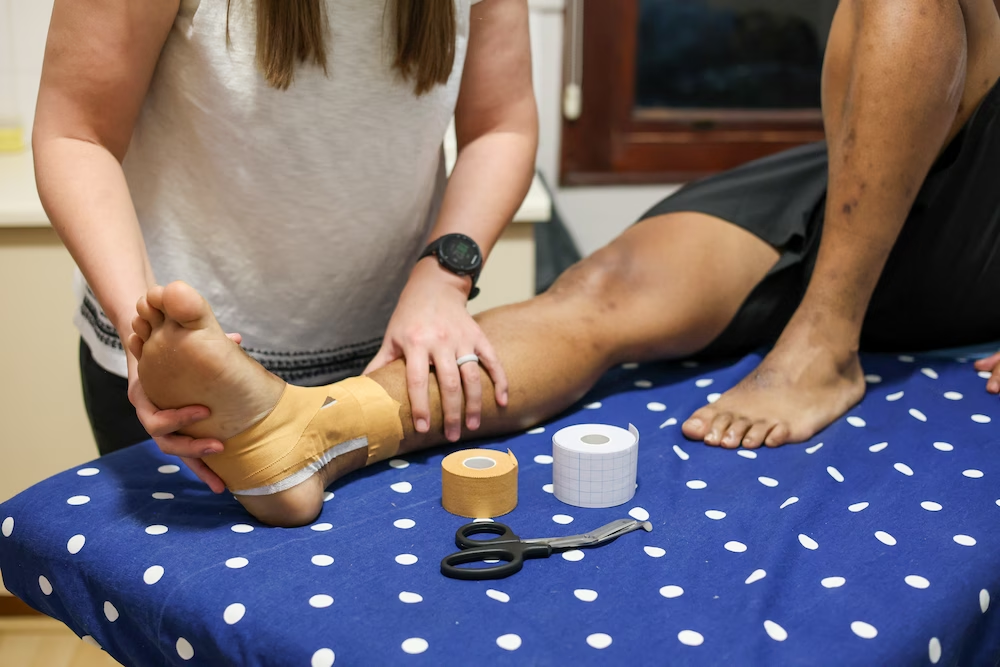
- Rehabilitation: Treating injuries like sprains, tears, and joint pain with targeted exercises, manual therapy, and gradual return-to-sport programmes.
- Prevention: Helping athletes train smarter by improving posture, muscle balance, and movement patterns. This reduces the chance of repeat injuries.
Athletes at every level — from professionals to weekend warriors — benefit from physio. It’s not just about getting back in the game, but about staying in it for the long run.
Surgery: The Road to Recovery
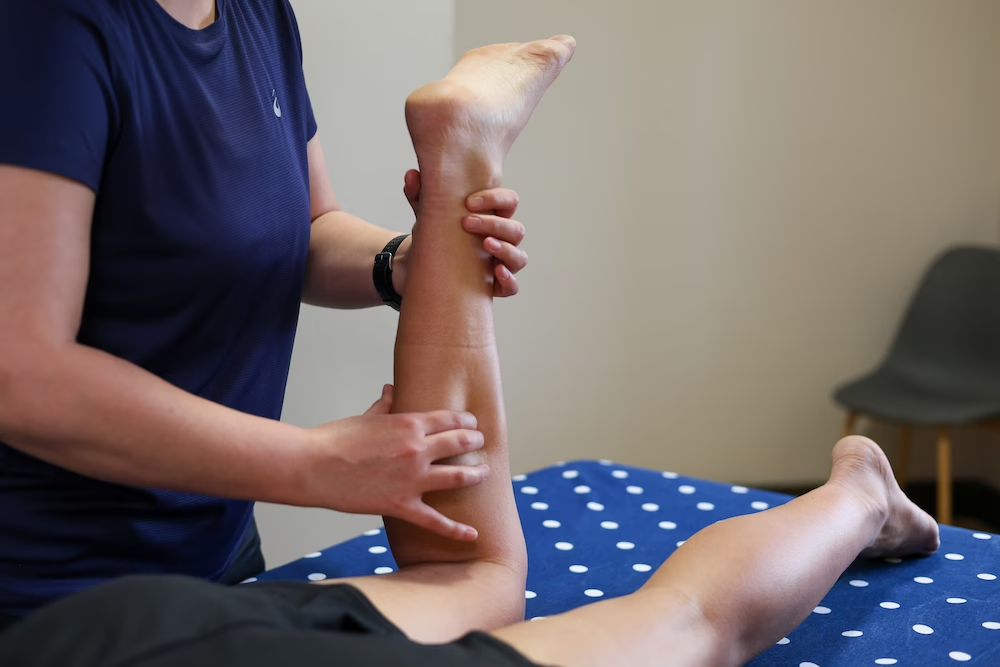
Surgery is often only the first step in healing. What follows is a crucial recovery period where the body needs to regain strength, mobility, and function.
Physiotherapy provides structured rehabilitation after operations such as:
- Joint replacements (hips, knees, shoulders)
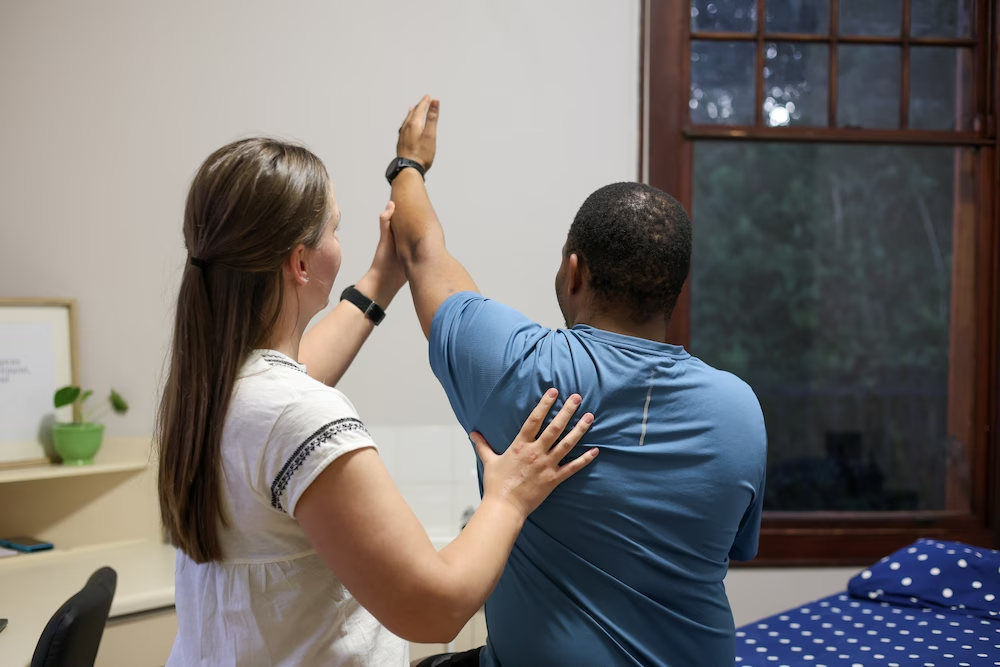
- Orthopaedic surgeries for fractures or ligament and muscle reconstruction
- Caesarean sections or abdominal surgeries
- Cardiac surgeries, where breathing and endurance need rebuilding
- Back & Neck surgeries
Without proper guidance, patients risk stiffness, weakness, or re-injury. Physiotherapists ensure recovery is steady, safe, and as quick as possible, giving patients confidence as they return to normal life.
Stress: The Hidden Strain on the Body
Stress isn’t just an emotional burden — it’s a physical one too. Many people carry stress in their bodies, often without realising it. Symptoms include:
- Tight shoulders and neck pain
- Tension headaches
- Lower back discomfort
- Shallow, rapid breathing
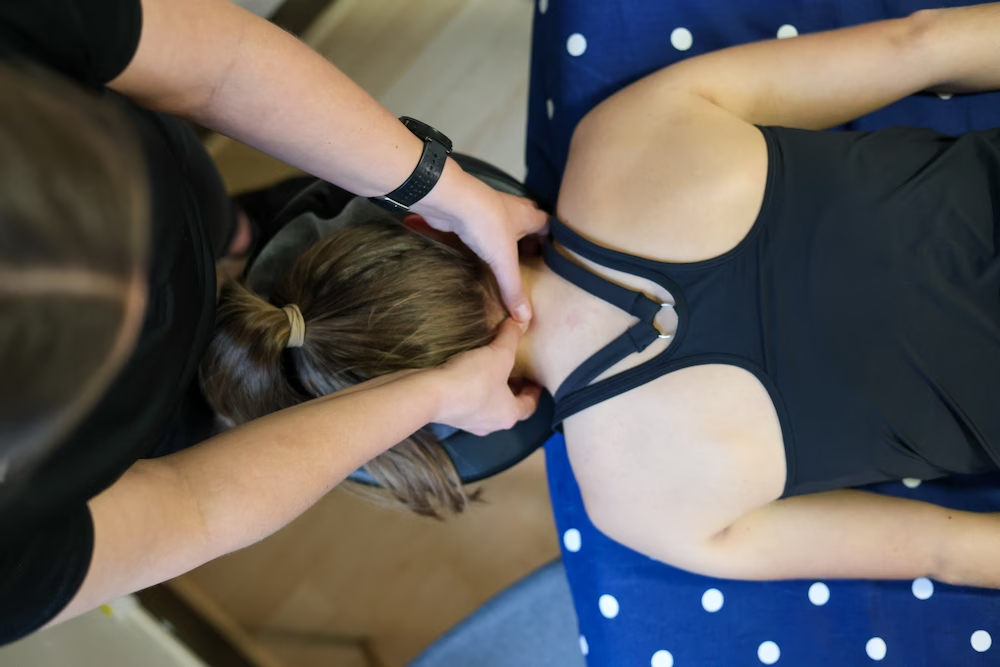
Physiotherapy helps relieve these effects by combining manual therapy, posture correction, and breathing techniques. It teaches patients how to recognise the physical signs of stress and counter them with movement, stretches, and relaxation strategies.
In a world where stress is unavoidable, these tools are invaluable for maintaining overall wellness.